A Lifestyle-Driven Approach to Growth
Outdoor Recreation, Housing Expansion, Infrastructure Investment, and Strategic Positioning Are Reshaping This Fast-Growing Regional Hub
Putnam County, West Virginia, is redefining what it means to be a “bedroom community.” Once viewed primarily as a residential corridor between Charleston and Huntington, the county is now leveraging its location, lifestyle advantages, and coordinated development strategy to become a destination in its own right.
Through a combination of outdoor recreation investment, housing growth, infrastructure expansion, and economic diversification, Putnam County is building a model centered on attracting residents, supporting business, and enhancing quality of life. Under the leadership of
Commissioners Andy Skidmore, Brian Ellis, and Doug Pierson, in collaboration across municipalities, are demonstrating how a community can evolve while also staying grounded in its strengths.
Today, the focus is clear: make Putnam County a place where people want to live, work, and play.
From Bedroom Community to Destination
Putnam County’s strategic location has always been one of its defining features. Positioned between Charleston, the state capital, and Huntington, the county benefits from proximity to major employment centers while offering a more relaxed, community-oriented environment.
In the past, that position was often viewed as a limitation. However, the shift toward remote work and changing lifestyle priorities—accelerated by the pandemic—has transformed that perception.
“We’ve chosen to focus on becoming a place that people want to live, work, and play,” says Commissioner Skidmore.
That shift in mindset has been supported by deliberate investment in amenities that enhance everyday life, particularly in outdoor recreation and community-centered development.
Outdoor Recreation as an Economic Driver
One of the most significant catalysts for Putnam County’s growth has been its commitment to outdoor recreation.
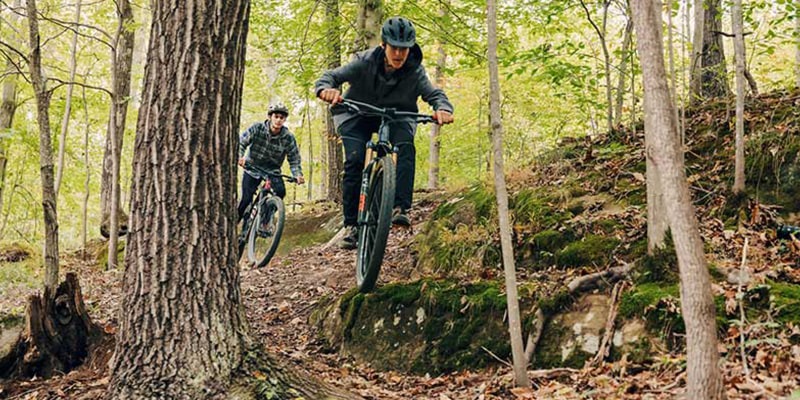
At the center of that effort is Meeks Mountain Trail, a 30-mile trail network built entirely by volunteers. While the project began before 2018, community involvement surged during the pandemic, accelerating its development and impact.
The trail system, located via a trailhead at Hurricane City Park, has become both a local asset and a regional draw, attracting visitors while reinforcing Putnam County’s identity as an outdoor destination for local, regional, national, and even international events.
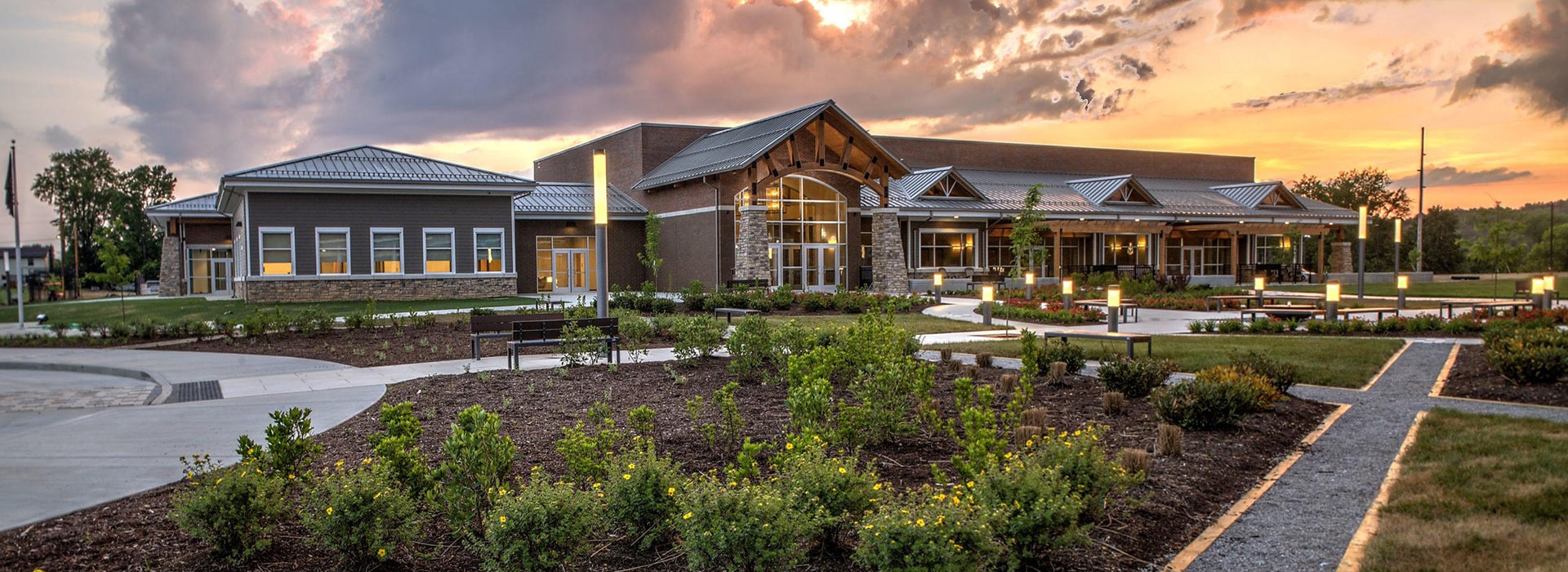
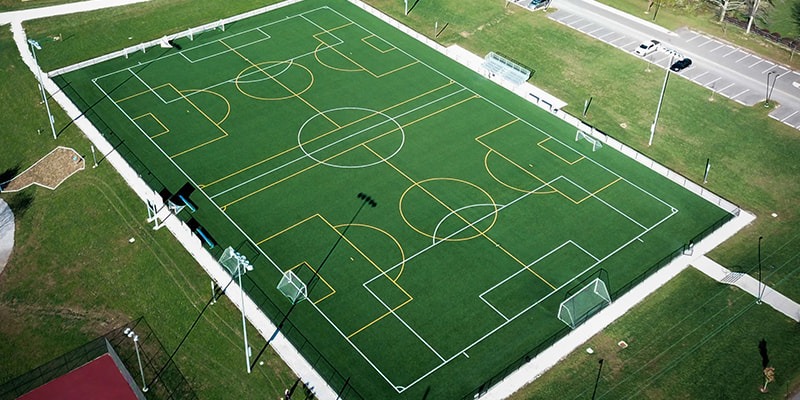
Complementing this is the county’s investment in Valley Park, which now features a conference center, turf baseball fields, and a turf soccer facility. Nearby, the City of Hurricane has expanded its own offerings with a $10 million investment in Hurricane Bridge Park, adding four additional turf baseball fields, pickleball courts, disc golf courses, and inclusive playgrounds.
Together, these facilities have positioned the county as a hub for youth sports tourism, with travel tournaments bringing a steady influx of visitors.
The impact extends beyond tourism revenue. “These amenities enhance the quality of life for residents while supporting local businesses and reinforcing Putnam County’s appeal to families,” said Commissioner Ellis.
Strengthening Downtown and Community Spaces
Municipalities within Putnam County are also seeing renewed focus on downtown revitalization.
In Hurricane, city leadership has taken proactive steps to shape its downtown area, acquiring properties and guiding redevelopment to attract locally owned businesses such as boutiques, restaurants, and specialty shops. The goal is to create a vibrant, walkable downtown that reflects the character of the community.
New housing developments near Main Street are expected to further energize the area by bringing residents closer to shops, restaurants, and recreation.
At the same time, efforts are underway to connect key assets. Plans to link Meeks Mountain Trails with downtown Hurricane and nearby parks aim to create a cohesive network that encourages both recreation and economic activity.
Elsewhere in the county, the City of Winfield is enhancing its riverfront amenities along the Kanawha River, incorporating parks, playgrounds, and water-based activities that add another dimension to the county’s lifestyle offerings. The towns of Bancroft, Buffalo, Eleanor, and Poca have also added or enhanced playgrounds and athletic facilities in their areas.
Housing Growth Responds to Rising Demand
As Putnam County’s appeal has grown, so too has demand for housing.
Recent years have seen a surge in development, driven by both population growth and increased interest from people seeking a balance between accessibility and quality of life. Large-scale projects are now underway, including a 470-home development in Hurricane and a 220-home project in the Frazier’s Bottom area.
In addition to single-family housing, there is a strong push toward multifamily development. High-end apartment complexes and townhome communities are being built or planned, reflecting changing market preferences and the need for more diverse housing options.
Developers such as Stonewall Capital and Ward Communities are actively investing in the area, bringing both regional and national interest to the county.
Despite this momentum, leadership acknowledges that gaps remain—particularly in senior housing.
“We have a considerable number of constituents that would like to downsize but want to stay in the area,” Commissioner Ellis explains. “There’s nowhere for them to relocate.”
Addressing that need will be a key focus moving forward, as the county seeks to provide housing solutions for residents at every stage of life.
Infrastructure Unlocking Future Development
Critical infrastructure remains at the heart of Putnam County’s growth strategy.
Recent investments, including funding through the West Virginia Water Development Authority, are enabling the extension of water and sewer systems into previously underserved areas. These projects are essential not only for current housing developments but also for future commercial and industrial expansion.
A major sewer extension project in the Route 35 corridor is expected to open large areas for development, removing one of the primary barriers to growth in that region.
“It’s not what everyone wants to talk about,” Commissioner Pierson acknowledges, “but it’s probably the most important piece of development going forward.”

That perspective reflects a broader understanding that sustainable growth depends on strong foundational systems. Without them, even the most promising development opportunities cannot move forward.
A Diverse and Evolving Economic Base
Putnam County’s economy is supported by a mix of industries, including manufacturing, logistics, retail, and agriculture.
The presence of Toyota manufacturing has long been a cornerstone, supported by a network of smaller suppliers and service providers. The anticipated impact of Nucor Steel’s $4 billion investment in nearby Mason County is expected to further strengthen the region’s industrial base, bringing jobs and economic activity that will extend into Putnam County.
At the same time, new opportunities are emerging in logistics. A local developer is currently preparing a project that aims to create one of the largest truck stops in the United States, with capacity for approximately 1,000 trucks. Located at the intersection of Interstate 64 and Route 35, the site benefits from significant traffic flow and strategic positioning.
The county’s location allows it to serve as a regional distribution point, with major cities such as Columbus, Pittsburgh, and Charlotte all within a day’s drive.
“That connectivity is a huge advantage for us,” notes county manager Tim Hanna, who supports county development efforts.
Local businesses also play a critical role. Agritourism ventures such as Gritt’s Farm draw thousands of visitors annually, offering seasonal events and farm-to-table experiences that contribute to both tourism and community identity.
Workforce and Education as Key Assets
The strength of Putnam County’s workforce is closely tied to its education system.
Local schools have become a significant factor in attracting families and professionals, particularly those relocating for new job opportunities. The Commission has noticed that executives moving into the area often choose Putnam County specifically because of the quality of its
schools.
This connection between education and economic development reinforces the county’s broader strategy. By investing in schools and community amenities, Putnam County is creating an environment that supports both workforce attraction and retention.
Collaboration as a Competitive Advantage
A defining feature of Putnam County’s success is its collaborative approach.
Municipalities, county leadership, local organizations, and private stakeholders are working together to advance shared goals. Whether through recreation funding, infrastructure planning, or economic development initiatives, the emphasis is on collective progress.
Commissioner Skidmore explains this movement as an “All ships rise together ” scenario.
This philosophy extends to how resources are allocated. For example, hotel-motel tax revenue is used to support recreational improvements across multiple communities, ensuring that benefits are distributed throughout the county rather than concentrated in a single area.
Such collaboration is not always common, but in Putnam County, it has become a cornerstone of growth.
Looking Ahead
As Putnam County looks toward 2027 and beyond, its priorities remain focused and practical.
Infrastructure investment will continue to lead the agenda, particularly in water, sewer, and broadband expansion. The county is currently advancing a fiber optic middle-mile project, designed to improve connectivity and encourage competition among service providers.
Housing development will remain a critical focus, with an emphasis on expanding options for single-family homes, multifamily units, and senior living.
At the same time, the county will continue to build on its strengths in outdoor recreation, tourism, and education, ensuring that economic growth is supported by a high quality of life.
A County on the Rise
Putnam County’s transformation is not the result of a single project or initiative. It is the product of sustained effort, strategic thinking, and a willingness to adapt to changing conditions.
By investing in what matters—community, infrastructure, housing, and opportunity- the county is creating a foundation for long-term success.
In doing so, it is proving that a bedroom community can become something much more: a place where people choose to live, work, and play.
AT A GLANCE
Who: Putnam County, West Virginia
What: A community that is now a destination, not just a bedroom community, with growth on the horizon
Where: Huntington–Ashland, metropolitan statistical area
Website: www.putnamcountywv.gov
PREFERRED VENDORS/PARTNERS
Appalachian Power: www.appalachianpower.com
Appalachian Power Company (APCo), an American Electric Power subsidiary, delivers reliable electricity across Virginia, West Virginia and Tennessee. Focused on safety, customer service and grid modernization, APCo advances resiliency, integrates renewable generation and supports local economic development while prioritizing environmental stewardship and long-term value for communities and stakeholders, partners, regulators and investors.

Putnam County Tourism: www.visitputnamwv.com
Putnam County Tourism highlights local events, activities, outdoor adventures, dining, and shopping. Download our Visit Putnam WV app or go to VisitPutnamWV.com to start planning your next backyard adventure.