A Destination with a Heart
Planning Growth with Purpose
In Montville, Connecticut, the path forward is being shaped with intention. Guided by a philosophy of “right plan, right development, right funding,” town leadership is taking a strategic approach to growth—one that balances economic opportunity with community character, infrastructure readiness, and a strong sense of place.
For Mayor Leonard G. Bunnell Sr. and his team, that means more than simply encouraging new development. It means creating a vision for Montville that reflects what residents want, addresses real market needs, and positions the town for long-term success.
At the center of that effort is a renewed focus on the town’s core, where officials are looking to transform key corridors into a more vibrant, walkable, and welcoming destination for residents, visitors, and investors alike.
A Vision for a More Connected Town Center
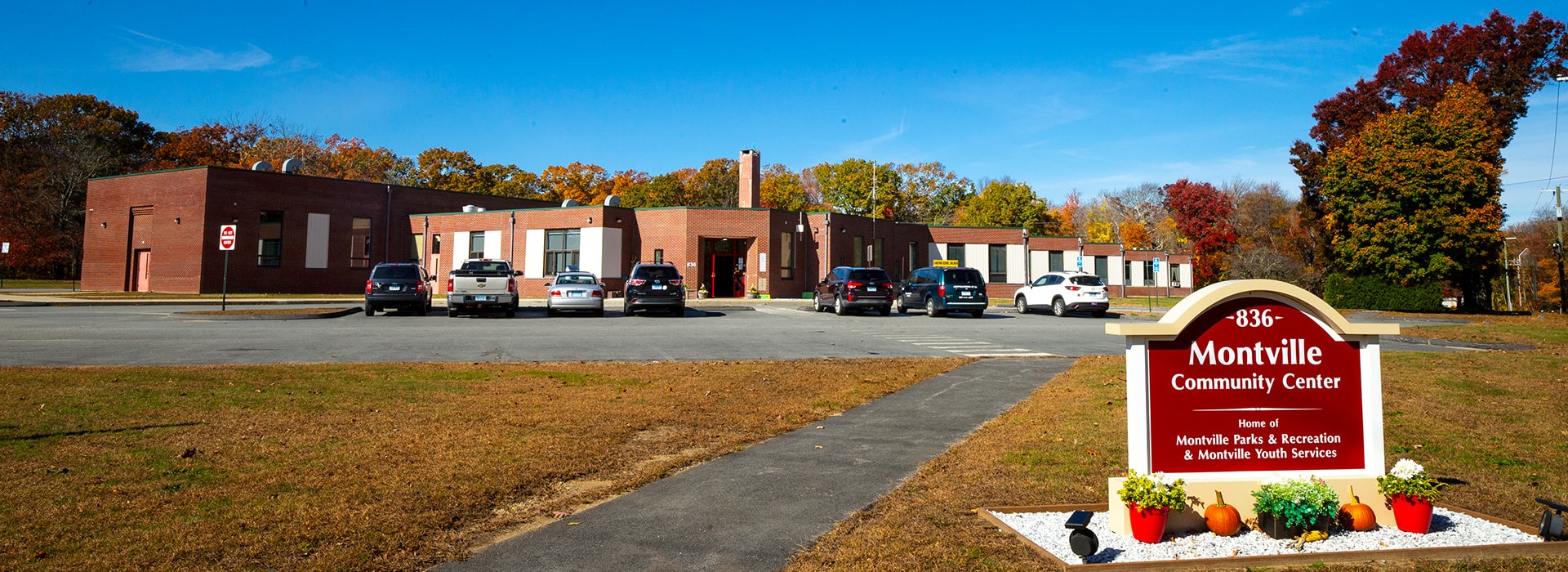
Montville’s leaders are clear about one thing: growth must be purposeful. While the town’s geographic center is home to schools, recreation facilities, and Camp Oakdale, much of the civic and commercial activity is concentrated along the Route 32 and Route 163 corridors. It is here that local officials see the strongest opportunity to create a true town center experience.
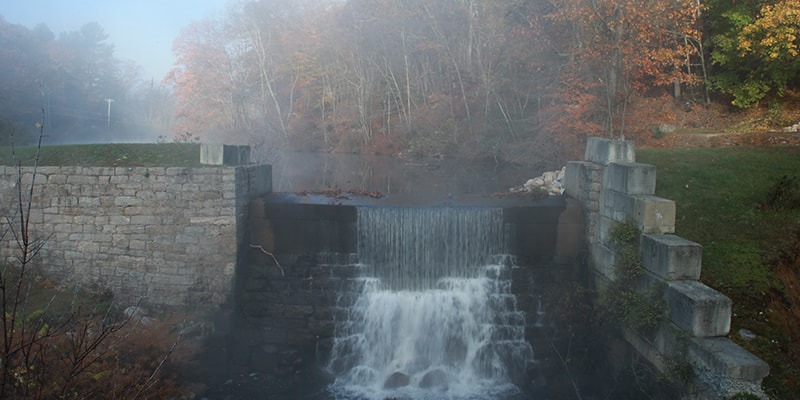
That vision includes the possibility of a new town green, expanded public gathering areas, improved pedestrian connectivity, and better use of the Oxoboxo Brook corridor, a historic waterway that once powered the town’s manufacturing economy. Today, the brook is being reconsidered not as a relic of the past, but as an asset for the future.
Town officials are exploring ways to make this area more attractive and more active, with concepts that include trail connections, public spaces, and even light recreational uses such as kayaking. The goal is to create an environment that invites people not only to pass through Montville but to stop, stay, and engage with the community.
That approach reflects a broader commitment to listening to residents. Through outreach efforts, public meetings, and community engagement tied to the town’s planning initiatives, Montville has received strong feedback from residents eager to see thoughtful improvements that enhance the town while preserving its identity.
Closing the Housing Gap
If there is one issue driving much of Montville’s current planning, it is housing.
As southeastern Connecticut experiences continued economic expansion, demand for housing has become one of the region’s defining challenges. Montville is feeling that pressure acutely, particularly as nearby employers such as Electric Boat continue to add thousands of jobs. While much of the region’s recent housing development has occurred closer to the shoreline in places such as New London and Groton, Montville has seen comparatively little in the way of modern apartment and mixed-use residential development.
That has created what town officials describe as a clear housing gap.
Montville has long been characterized by single-family homes and a more traditional residential pattern, but younger residents, workforce households, and those seeking more attainable options are increasingly looking for housing types that have been in short supply. Community engagement has reinforced that reality, with residents pointing to the need for more diverse housing choices, particularly for younger people and those who want to remain in town but cannot access the type of housing currently available.
Town planners see mixed-use and multifamily housing as central to solving that problem. Rather than focusing exclusively on detached single-family growth, Montville is looking at ways to encourage the kind of housing that supports walkability, strengthens the town center, and brings more residents into proximity with services and businesses.
The town’s approach remains flexible. Officials are open to a variety of formats, including missing-middle housing and other alternative options if proposed by the private sector. More importantly, Montville is working to ensure that its regulatory framework supports that growth rather than standing in its way.
A Development Climate Built on Certainty
Montville’s pro-growth mindset is one of its strongest selling points.
Town leaders understand that developers are looking for more than opportunity—they are looking for predictability. In Montville, that has translated into a more permissive development environment, one designed to reduce unnecessary barriers while still maintaining thoughtful oversight.
Housing is already allowed in most zoning districts, and town officials take pride in a permitting process they describe as efficient and workable. Rather than creating an overly burdensome approval environment, Montville is focused on giving developers a level of certainty that helps projects move forward.
That stance is particularly important at a time when the state of Connecticut is encouraging communities to expand housing opportunities and reconsider older regulatory models. For Montville, it aligns naturally with a local philosophy that sees development as a tool to strengthen the tax base, support local business, and meet the needs of a changing population.
Using Planning to Unlock Investment
One of the most important pieces of Montville’s strategy is the Route 32 and Route 163 planning study, supported through a $250,000 grant from the Connecticut Department of Economic and Community Development. That work is helping the town identify where development should occur, what form it should take, and which sites are best positioned to move first.
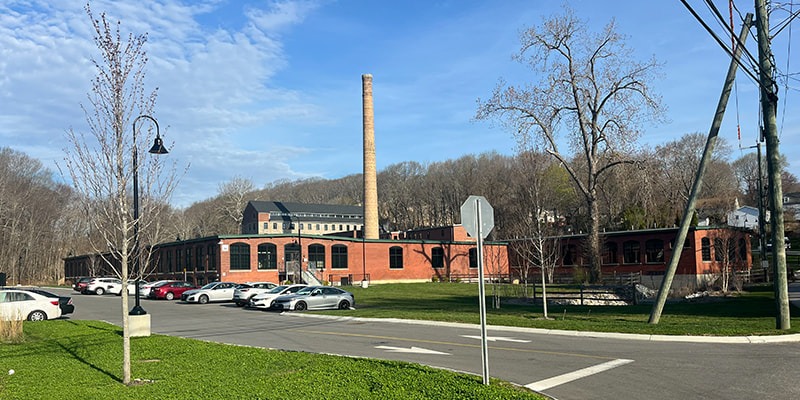
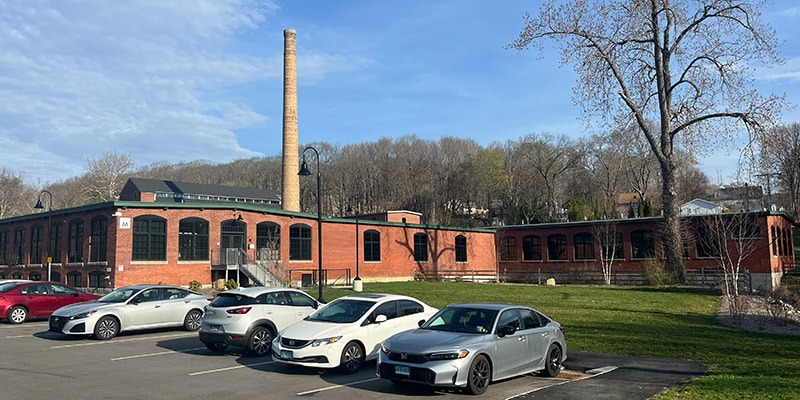
The study has already highlighted three priority development nodes, each with a different role to play in Montville’s future. One centers on the town hall area and the intersection of Routes 32 and 163, where the vision for a more civic, walkable town center is taking shape. Another focuses on the Palmer section, an area that retains a village-scale character rooted in the town’s historic mill development. A third area just north of the center represents a more auto-oriented commercial environment that still offers room for reinvestment and better integration into the broader fabric of the community.
Together, these areas form the backbone of Montville’s revitalization strategy.
Town leaders are now working to turn planning into implementation. That includes pursuing additional grants to move priority recommendations forward and evaluating public funding mechanisms that can help close financial gaps on catalytic projects. Among the tools under consideration is the creation of a Tax Increment Financing district, which could help fund infrastructure and other improvements needed to support private investment.
The town is also evaluating where public resources can best be used to make development feasible, particularly in cases where site conditions or market realities create a gap between vision and execution.
Infrastructure That Supports Growth
Montville’s growth strategy is supported by a strong infrastructure base, particularly along Route 32, where water, sewer, gas, fiber optics, and other utilities are already in place.
That existing capacity gives the town a meaningful advantage as it looks to attract both residential and commercial investment. At the same time, officials are keenly aware that additional growth will require targeted upgrades, particularly in areas where infrastructure will need to be extended or expanded.
Water service along Route 163 is one such priority. Town leaders see that corridor as an area with real potential for future development, but they also understand that infrastructure improvements will be essential to unlock it. Looking ahead, broader growth will also require attention to treatment capacity and long-term utility planning.
For Montville, infrastructure is not a background issue. It is a critical part of making the town’s vision achievable.
Recreation, Waterfront Access, and Quality of Life
Even as Montville focuses on housing and economic development, local leaders remain equally committed to quality-of-life amenities that make the town an appealing place to live.
Parks and recreation are a major part of that equation. Town officials point to a highly active Parks and Recreation Commission, a strong senior center, engaged youth services programming, and a growing farmers market as evidence of a community that values resident experience across all age groups.
Seasonal events continue to bring people together, from parades and carnivals to market activity and community programming. These amenities help reinforce the close-knit identity residents value while also supporting the town’s broader goal of becoming more vibrant and connected.
Montville is also investing in its waterfront assets. A long-anticipated boat launch improvement project is now moving forward, bringing a popular but aging public facility up to modern standards. The site will include improved parking, lighting, security cameras, and a new recreational pier that will expand public access to the Thames River.
That investment is about more than boating. It reflects a growing recognition that even in an area shaped by industry, the waterfront can and should play a larger role in recreation and community identity. Town officials are also exploring broader trail and blueway concepts that would connect the river to the town center and create new opportunities for walking, paddling, and outdoor enjoyment.
Partnerships That Strengthen the Community
Montville’s future is also being shaped through collaboration.
The town maintains strong relationships with regional economic development organizations, members of the development and real estate community, and key employers and institutions throughout southeastern Connecticut. That includes ongoing engagement with SECTER, the Southeastern Connecticut Enterprise Region, as well as local businesses and stakeholders who help inform the town’s direction.
The Mohegan Tribe remains an especially important partner. As home to one of the region’s largest employers in Mohegan Sun, the tribe plays a vital role in the local economy and in the broader identity of the area. Town leaders also recognize the historical significance of the Mohegan presence and the deeper cultural connections that shape Montville’s story.
These partnerships matter because Montville’s growth is not happening in isolation. It is part of a larger regional landscape, one in which workforce demand, housing needs, and economic opportunity are increasingly interconnected.
Looking Ahead
For Montville, the immediate future is about turning momentum into measurable progress.
Town officials are pursuing the grants, tools, and planning updates needed to begin implementing the recommendations emerging from the Route 32 and Route 163 study. That includes further work on housing, town center development, trail connectivity, waterfront access, and regulatory alignment.
There is also optimism around additional funding opportunities, including support for housing strategy, conservation, and development planning, and recreational infrastructure. Together, these efforts are helping establish a framework for the next phase of Montville’s evolution.
What stands out most is that Montville is not chasing growth for growth’s sake. It is building a roadmap that reflects local priorities, regional realities, and a genuine desire to create a stronger future for residents.
The vision is ambitious, but it is grounded in practical steps, public engagement, and a clear understanding of what the town can become.
In Montville, growth is no longer just a possibility. It is a plan in motion.
AT A GLANCE
Who: Montville, Connecticut
What: A town that has a clear vision and is focusing on enhancing its downtown core
Where: New London County, Connecticut
Website: www.townofmontville.org
PREFERRED VENDORS/PARTNERS

Mohegan Tribe: www.mohegan.nsn.us
The Mohegan Tribe is a sovereign, federally recognized Indian Nation, with its own constitution and government. Not only does the Tribe govern itself, but many Tribal administrative departments oversee the everyday function of the reservation. While the best-known Tribal enterprise is Mohegan Sun, the Mohegan Tribe also operates a number of other enterprises that benefit both the Tribe and community.

Rand-Whitney Containerboard (RWCB):
www.thekraftgroup.com/rand-whitney-containerboard
Rand Whitney Containerboard operates a 100% recycled paper mill in Montville, CT, transforming post consumer cardboard into high performance linerboard. Diverting 275,000 tons of material annually, RWCB leads in water and energy innovation while providing stable employment and demonstrating how modern manufacturing can thrive through sustainability and strong community roots.