
Advocating for the Best Path Forward
Expanding Access, Empowering Communities, and Driving Economic Opportunity
In communities across North America, public libraries are redefining their role as essential infrastructure for economic opportunity, digital inclusion, and lifelong learning. At the center of this transformation is the American Library Association (ALA), a national voice advocating for equitable access to information and the evolving role of libraries in a modern, technology-driven society.
Through its Public Policy and Advocacy Office, the ALA is advancing a broad mandate that extends far beyond books. From workforce development and small business support to broadband access and artificial intelligence education, the organization is helping libraries meet the needs of today’s communities—while preparing for the challenges of tomorrow.
Access As the Foundation
At the heart of ALA’s mission lies a simple yet powerful principle: access to information. While traditionally associated with literacy and education, access today encompasses a much broader spectrum, including digital connectivity, economic opportunity, and social mobility.
Library professionals across the country serve as frontline facilitators, connecting individuals to the tools and resources they need to succeed. With more than 17,000 public libraries nationwide, these institutions provide a nearly universal access point for communities of all sizes—urban, rural, suburban, and tribal.
In today’s digital-first environment, broadband access has become as essential as electricity. Libraries have stepped into this role, offering high-speed internet, device lending programs, and technical support for individuals navigating everything from job applications to online education.
Navigating the Digital Age
As emerging technologies reshape the information landscape, libraries are once again adapting—this time to the rise of artificial intelligence. Rather than viewing AI as a threat, the ALA promotes a balanced approach rooted in what it describes as “measured enthusiasm and thoughtful advocacy.”
Libraries are increasingly offering AI-focused programming, including workshops and multi-session academies designed to help patrons understand and responsibly use these tools.
These initiatives emphasize that AI is a resource—not a replacement for human judgment—and highlight the importance of digital literacy, critical thinking, and data privacy.
In this context, librarians serve as trusted guides, helping users distinguish credible information from misinformation while navigating an increasingly complex digital ecosystem.
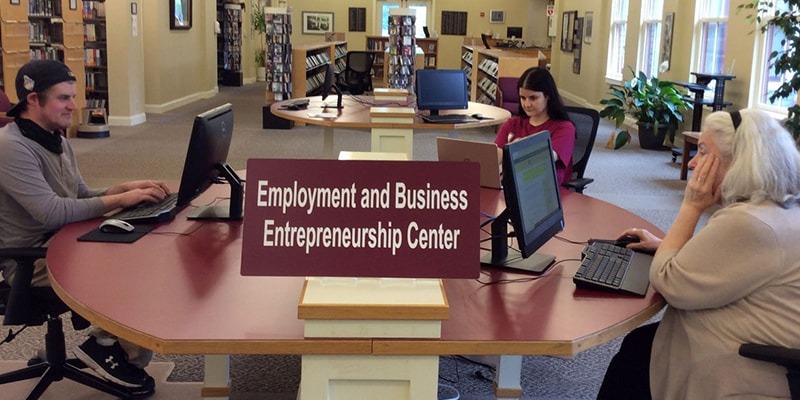
Libraries As Economic Catalysts
One of the most compelling examples of libraries’ expanding role is the ALA’s “Libraries Build Business” initiative. Launched with support from Google.org, the program demonstrated how libraries can serve as powerful engines of local economic development.
The initiative brought together a diverse cohort of libraries—from major metropolitan systems to small rural branches—to support entrepreneurs and small business owners. Over 18 months, approximately 15,000 individuals engaged with the program through workshops, one-on-one consultations, and access to business resources.
The impact extended beyond numbers. Libraries provided everything from basic infrastructure—such as Wi-Fi and printing services—to advanced support through partnerships with organizations like SCORE and local economic development agencies. In some cases, libraries introduced entrepreneur-in-residence programs, offering direct mentorship and tailored guidance to aspiring business owners.
These efforts underscore a critical insight: economic development is not limited to large corporations. It is driven by local entrepreneurs, small businesses, and community-based innovation—areas where libraries are uniquely positioned to contribute.
Community-Driven Innovation
At the local level, libraries are tailoring services to meet the specific needs of their communities. In Richland County, South Carolina, for example, the public library system has developed a comprehensive approach that integrates career services, business support, and educational programming.
Through initiatives such as its Entrepreneur-in-Residence program and a “Library of Things” lending model, the system is reducing barriers to entry for aspiring entrepreneurs. In one instance, two individuals used borrowed equipment to launch a wedding photography business—an example of how access to resources can translate directly into economic opportunity.
Libraries are also addressing educational gaps through innovative programs like Career Online High School, which provides adults with the opportunity to earn accredited diplomas. These initiatives not only improve individual outcomes but also strengthen the broader workforce.
Investing in Infrastructure
Despite their growing importance, libraries face ongoing challenges related to funding and infrastructure. Federal programs such as E-Rate—now celebrating its 30th anniversary—have been instrumental in expanding broadband access, but continued investment is essential to sustain and enhance these services.
In addition to digital infrastructure, physical spaces remain a critical component of library services. Libraries serve as community hubs, offering safe, accessible environments for learning, collaboration, and innovation. Maintaining and upgrading these facilities is vital to ensuring that libraries can continue to meet evolving demands.
At the same time, initiatives such as the Broadband Equity, Access, and Deployment (BEAD) program highlight the importance of not only expanding connectivity but also ensuring that communities have the skills and resources to utilize it effectively.

Advocacy and Policy Leadership
The ALA plays a central role in advocating for policies that support libraries and their communities. Key priorities include protecting funding for the Institute of Museum and Library Services (IMLS), expanding workforce development programs, and ensuring equitable broadband access.
Through ongoing engagement with policymakers, the organization works to position libraries as essential partners in addressing national challenges—from economic recovery to digital inclusion.
This advocacy is particularly critical in an environment where funding and policy decisions can have far-reaching impacts on library services and the communities they serve.
Ahead
As the ALA looks toward 2026 and beyond, its focus remains clear: expand access, strengthen funding, and amplify the role of libraries as engines of opportunity.
By continuing to highlight the impact of libraries in areas such as workforce development, small business support, and digital literacy, the organization is ensuring that these institutions are recognized not only as cultural assets but as vital components of economic and social infrastructure.
In a rapidly changing world, libraries remain one of the few truly inclusive spaces—places where anyone, regardless of background or circumstance, can access the tools they need to learn, grow, and succeed. With the American Library Association leading the way, its role in shaping the future has never been more important.
AT A GLANCE
Who: American Library Association
What: The dedicated organization that represents, advocates, and educates for libraries around the country
Where: Chicago, Illinois
Website: www.ala.org