Community at Play
From Ground Up: Creating Safer, Smarter Recreational Spaces
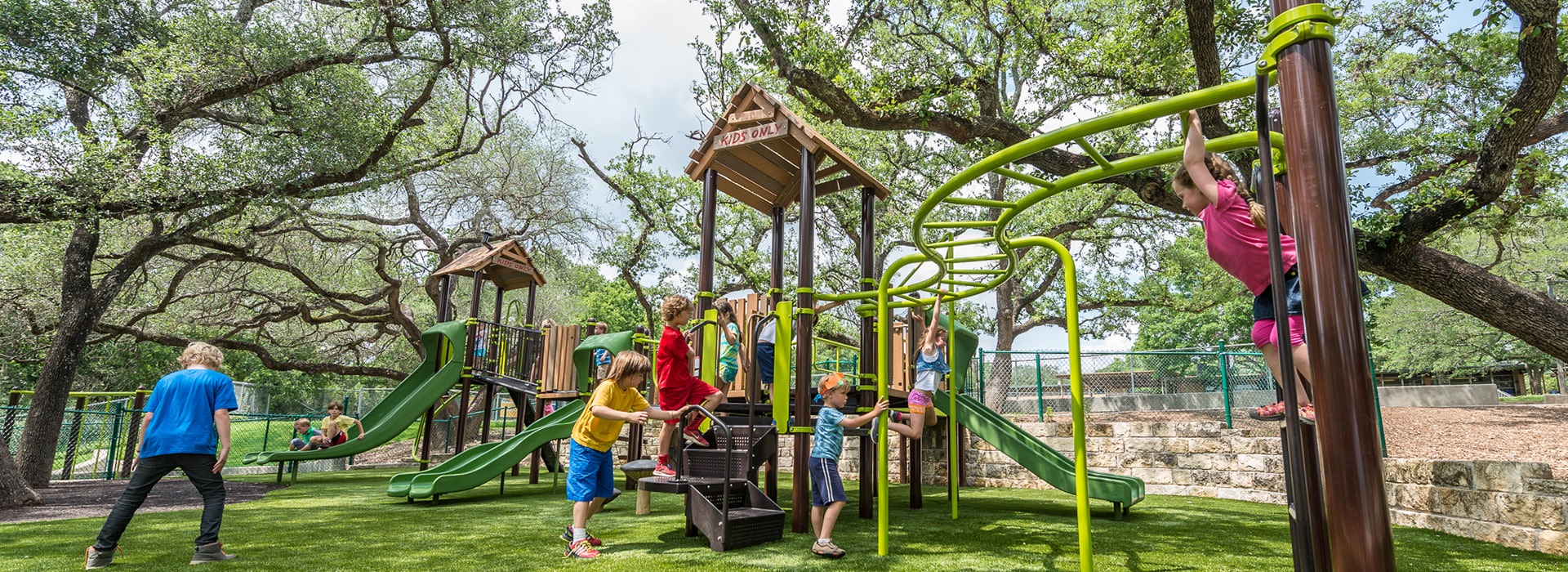
Playgrounds, athletic fields, and backyard courts all have one thing in common. They are where moments happen. Whether it is a child taking their first steps across a playground, a team competing under pressure, or families gathering at home, these spaces are built for connection. The Recreational Group has made that idea the foundation of its business, designing surfaces that bring people together in meaningful ways.
“Our main goal is to bring friends and families together around shared recreational spaces. That’s the heart of what we do,” says Ashley Cole, Vice President of Marketing.
That mission is supported by a business model built for consistency and control. Rather than relying heavily on outside suppliers, the organization operates as a vertically integrated platform, allowing it to manufacture, distribute, and install many of its own products. This structure helps ensure quality while improving responsiveness to customer needs.
“We manufacture and produce our own products out of our facilities in Dalton, Georgia. Then we distribute and install them through a few different avenues,” explains Lauren Harrigan, Vice President of Installed Sales. “That gives us a lot of control over the entire process.”
A Unified Company with Specialized Strengths
The Recreational Group is structured to serve multiple markets while maintaining a unified approach. Each division focuses on a specific segment, yet all contribute to delivering comprehensive recreational solutions that align with their broader missions.
“Our main customer base would be early childhood education, playground manufacturers and distributors, and general contractors. We really focus on commercial applications,” Harrigan notes.
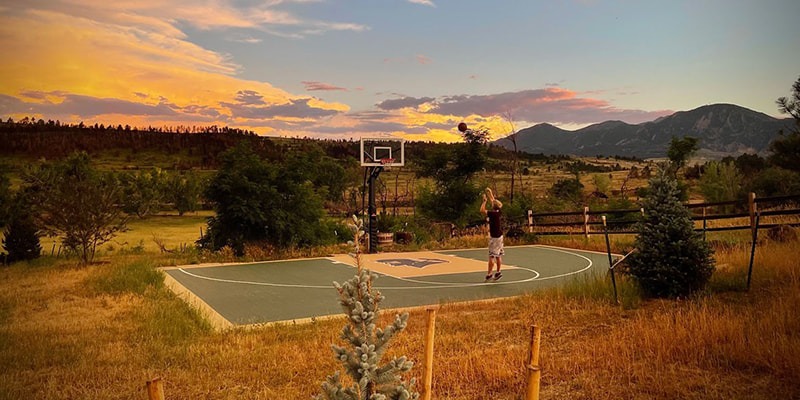
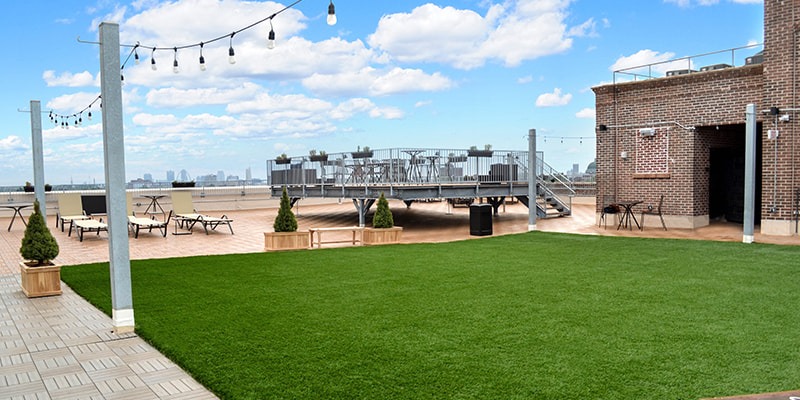
Within that framework, XGrass supports turf installation for commercial environments, while SporTurf focuses on distribution for athletic fields. VersaCourt, meanwhile, specializes in modular court systems designed for both residential and commercial use.
“During COVID, being vertically integrated and manufacturing our own materials meant we didn’t really experience much of a shortage,” says Josh Nelson, Vice President of Sales for the tile division.
On the tile side, flexibility and customer alignment are essential. Every project comes with its own requirements, making communication a critical first step.
“We want to make sure we listen to what each customer is trying to achieve so we can recommend the best product for that space,” explains Nelson
Resilience Through Vertical Integration
A vertically integrated model proved especially valuable during recent supply chain disruptions. While many organizations faced delays and shortages, operations remained stable due to domestic manufacturing capabilities and tighter control over core materials.
“During COVID, being vertically integrated and manufacturing our own materials meant we didn’t really experience much of a shortage,” Nelson says.
Producing the majority of its offerings in the United States has allowed for greater control over timelines and quality, while also strengthening relationships with suppliers and partners. That proximity supports better collaboration and faster problem-solving when challenges arise.
“We like to work with local partners that we can visit and build real relationships with,” Nelson adds. “It helps us grow together and stay connected.”
A Customer-First Approach to Design
Understanding customer needs is fundamental to the way projects are approached. Rather than offering standardized solutions, teams work closely with clients to ensure each project aligns with its intended use, environment, and long-term goals.
“We do a lot of handholding with our clients. We listen to what they’re trying to achieve so we can recommend the best product,” Nelson explains.
This collaborative process allows solutions to go beyond basic functionality. By focusing on both performance and user experience, the result is spaces that are practical, engaging, and built to last.
“Our goal is to create a space that not only meets expectations but exceeds them,” Nelson adds. This level of engagement helps build trust and ensures that each project delivers meaningful value to the end user.
Innovation Driven by Industry Needs
Real-world demands and evolving industry standards shape innovation. While product development remains important, there is a strong emphasis on practical improvements that respond directly to customer needs and market trends.
“A lot of the brands we’ve acquired have been innovators in their space, and we try to continue that culture,” Nelson says.
This mindset allows teams to respond quickly to emerging opportunities, including the rapid growth of pickleball and the increasing demand for modular recreation spaces. “We can work with engineers and say we see a gap in the industry, and then create something that fills that need,” Nelson explains.
For Harrigan, innovation is closely tied to the evolution of playground design, particularly as structures become larger and more complex. “As playground structures get higher, we have to respond and make sure we’re in compliance with all standards,” she says.
Efficiency is also a key focus, particularly during installation. “We’re always looking at ways to make installation easier and reduce the physical burden on our teams,” Harrigan adds.
On the SporTurf side, innovation begins with materials, allowing performance to be refined at the earliest stage of production. “We are constantly improving our yarn to meet new standards and evolving needs,” Chandra Hall, Vice President – Distribution & E-Commerce, explains. “That’s how we stay ahead.”
Safety Without Compromise
Safety remains a top priority across all divisions. Given the environments in which these products are used, a proactive approach ensures both protection and compliance at every stage of a project. “We do a lot of ASTM testing to make sure we meet all required standards,” Nelson says. “Safety is a massive focus for us.”
For Harrigan, this commitment is especially critical in playground settings, where the margin for error is minimal, and the impact of failure can be significant. “The safety of children is one of the things we just won’t compromise,” she says.
Certified systems and third-party testing play a key role in ensuring that installations meet or exceed all requirements. “We are very adamant that everything we install is IPEMA certified and tested to meet or exceed all standards,” Harrigan explains. “We want to know that if a child falls, they’re protected.”
On athletic fields, safety involves multiple performance factors that must be continuously evaluated and refined. “There are factors like traction, rotational resistance, and infill performance,” Hall notes. “We’re constantly testing to make sure everything performs safely.”
Expanding with a Global Perspective
While the United States remains the primary market, the company is expanding into international markets, creating opportunities to serve new customers while adapting to different regulatory environments.
“We are always looking to expand and work with partners globally,” Hall says.
International markets also provide insight into emerging standards and practices, helping shape future product development. Staying aware of these developments helps refine offerings and maintain competitiveness in a changing global landscape.
Technology with a Human Touch
Technology continues to play an increasing role in operations, particularly in manufacturing and marketing. Automation has improved efficiency and consistency in production processes while reducing reliance on manual labor.
“We can have robots take multiple tiles off a mold every 20 to 30 seconds,” Nelson explains. “It saves time and improves efficiency.”
Artificial intelligence is also influencing how customers research and engage with products, particularly during the early stages of decision-making. “Customers are using new platforms to research and shop, so we have to meet them wherever they are,” he says.
As these technologies continue to evolve, maintaining a strong human connection remains essential to the overall experience. “There’s a big motivation for us to stay authentic and not lose that personal connection,” Nelson adds.
On the installation side, AI adoption remains limited but continues to evolve gradually. “We’re using it more for marketing and content support right now,” Harrigan says. “It hasn’t fully changed our day-to-day operations yet.”
A Culture That Drives Performance
Culture plays a significant role in overall success, creating an environment centered on collaboration, accountability, and shared goals across all divisions. “It really, truly is a family,” Harrigan says. “We collaborate and focus on doing what’s best for the customer.”
That mindset is reinforced through leadership that leads by example and encourages teamwork at every level of the organization. “Our CEO and COO have gone out and painted courts during labor shortages,” Nelson shares. “Anyone will roll up their sleeves to get the job done.” This approach fosters trust and unity while supporting agility and responsiveness across teams. “It really is just a bigger family,” he reflects.
Employees are also empowered to make decisions and respond quickly to challenges as they arise. “We’re encouraged to solve problems at our level,” Hall explains. “That builds confidence and keeps things moving.”
Scaling with Intention
As growth continues, leadership remains focused on expanding capabilities while strengthening core operations across all divisions. Each area of the business has clear priorities that support both short-term execution and long-term success.
“We want to be a one-stop shop where we’re offering everything around the product, not just the product itself,” Nelson says.
For Hall, the focus is on improving dealer performance and operational efficiency. “We’re investing in training, smarter pricing, and better coordination to create a more reliable experience,” she explains.
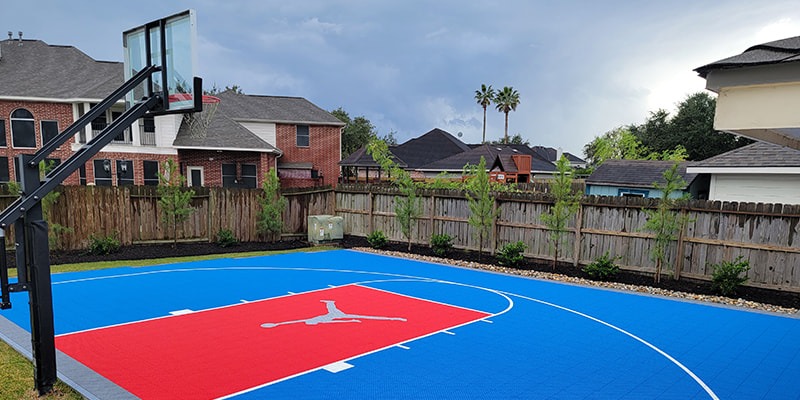
Harrigan is focused on expanding into new markets while reinforcing value in competitive regions. “We are moving into new markets and showing why our products and installations stand out,” she says.
At its core, the work goes beyond surfaces. It is about creating environments where people come together and build lasting experiences.
“Our goal is always to bring people together,” Cole says.
AT A GLANCE
Who: The Recreational Group
What: A vertically integrated manufacturer and provider of recreational surfacing solutions.
Where: Dalton, Georgia
Website: www.recreationalgroup.com
PREFERRED VENDORS/PARTNERS
SynLok Technologies: www.synlok.com
SynLok Technologies Provides and Supports the Highest Quality for Products and Services to Hard-Working Companies – Dedicated to Excellence and Guided by the Highest Moral Compass. “If you don’t have time to do it right, when will you have time to do it over?” John Wooden

United Rentals: www.unitedrentals.com
United Rentals, Inc. is the largest equipment rental company in the world, with an integrated network of more than 1,700 locations across North America, Europe, Australia and New Zealand. Serving construction and industrial customers, utilities, municipalities and more, United Rentals is a member of the S&P 500.

IPEMA: www.ipema.org
The International Play Equipment Manufacturers Association (IPEMA) is a non-profit trade association serving manufacturers of public play equipment and surfacing. IPEMA offers product certification, advocates for ASTM standard compliance, educates stakeholders, and champions safer, accessible play environments. In 2026, IPEMA marks its 30th anniversary.