Tackling the Infrastructure to Accommodate Growth Ahead
Housing Momentum, Water Infrastructure, and a Community Determined to Move Forward
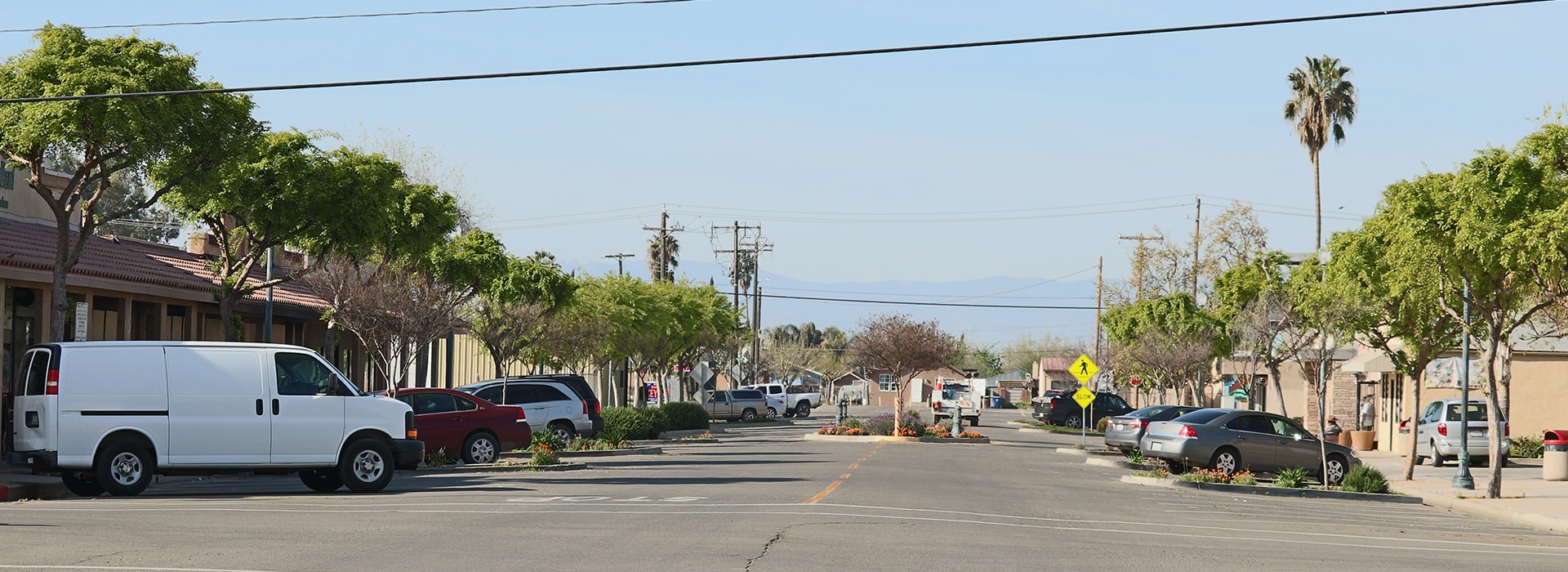
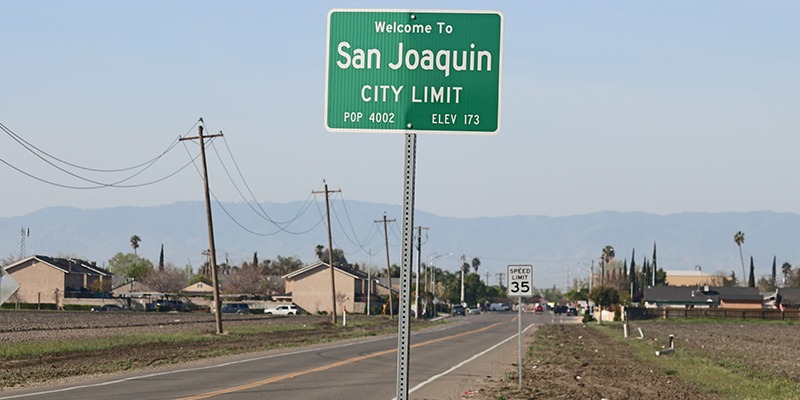
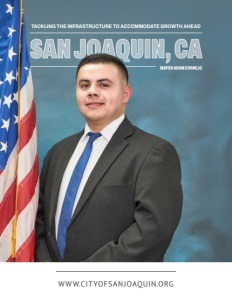
Set within one square mile of California’s agricultural heartland, the City of San Joaquin is small in geography but expansive in identity. Mayor Adam Cornejo describes it plainly: a friendly, family-centered community where people know each other, and when hardship hits, neighbors come together.
City Manager Elizabeth Cabrera reinforces the point with a metric that surprises many outsiders—San Joaquin may be just one square mile, but the spirit and cohesion of the community make it feel far larger than its footprint.
That collective mindset matters because San Joaquin is in the midst of an ambitious, carefully sequenced push to address the fundamentals that will define its next decade: housing availability, safe and reliable water infrastructure, broadband access, business growth, and workforce readiness. For Cabrera and Cornejo, the strategy is not about chasing development for development’s sake. It is about building the conditions that allow families to thrive—and ensuring that when a new opportunity arrives, residents are ready to benefit from it.
Preserving Identity While Planning for Growth
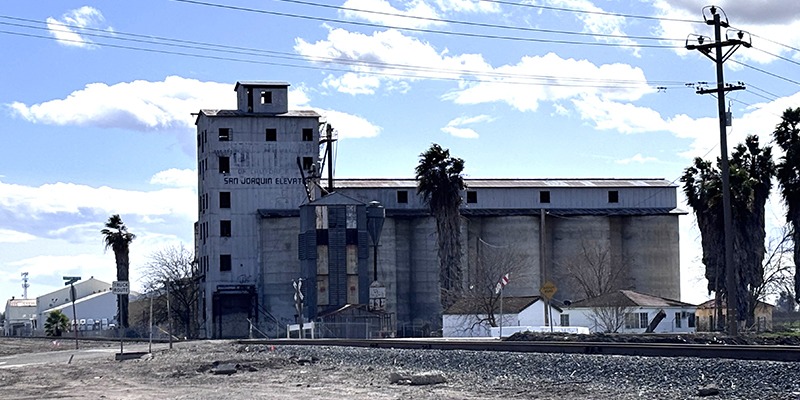
Downtown revitalization is on the city’s radar, particularly given San Joaquin’s history and a centennial milestone celebrated just a few years ago. But leadership is clear-eyed about timing. Preserving the historic character of downtown is important, Cabrera says, yet the city’s immediate focus is rooted in essentials: infrastructure, housing, and economic development groundwork.
Once those pillars are stabilized and expansion begins to take hold, the city expects downtown revitalization and preservation efforts to accelerate.
In many ways, the approach mirrors the lived reality of small communities: if the basics are not working, nothing else can scale.
Housing as the 2026 Turning Point
Housing has remained at the top of San Joaquin’s priority list for years, and Cabrera believes 2026 will be the year that planning converts into visible progress. The city currently has three projects moving through the pipeline, each designed to address a different segment of housing demand—from affordable multifamily units to ownership-oriented single-family product.
One of the most immediate developments is a Phase 1 affordable multifamily project, consisting of 50 units with an estimated construction cost of approximately $26 million.
San Joaquin has secured roughly $12 million toward the project and is working through tax credit applications to close the remaining gap. For a severely disadvantaged community, this project is not viewed as optional—it is foundational. Cabrera emphasizes that affordable units are urgently needed to ensure stability for working families and residents who are already experiencing cost pressure.
A second project is positioned as a “rooting” opportunity—38 duplex-style homes that function as single-family residences while allowing for a more efficient development model. Leadership sees this as a key step in helping families establish long-term residence in San Joaquin and supporting the city’s goal of keeping generations connected to the community.
The third project is the most comprehensive, combining residential development with amenities designed to expand quality-of-life options. This initiative includes approximately 110 single-family homes and about 96 multifamily units, alongside features such as a golf course, an event center, and youth sports facilities. Cabrera notes that the developer has deep ties to San Joaquin—born and raised in the city—and is intentionally designing the project to meet local needs, including a commitment to pricing that supports attainable homeownership.
Beyond housing counts, the concept is rooted in community outcomes. Cabrera frames the project as a pathway to safer youth engagement and more local gathering space—particularly important in a community working to give young people positive alternatives and reduce vulnerability to negative influences.
Water Infrastructure: From Crisis to Capability
If housing is the headline for 2026, water is the defining infrastructure story that has made everything else possible.
San Joaquin has experienced severe water quality issues—“brown water” coming from taps—creating daily hardship for residents and highlighting the urgency of system replacement and modernization. Cabrera describes it as a crisis that affects every basic function: cooking, bathing, brushing teeth, and drinking water. For a community already working with limited financial reserves, the city has had to assemble state funding and grants over time—an approach that required patience, persistence, and long-range coordination.
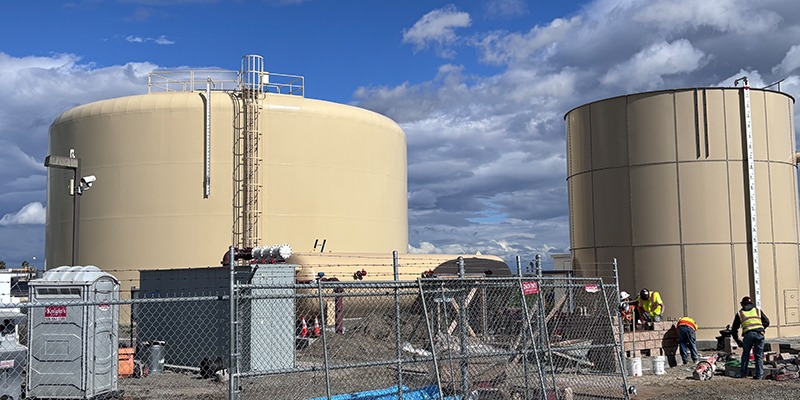
Today, that effort is translating into construction. With approximately $30 million in water-related investment, San Joaquin is implementing major infrastructure upgrades, including new treatment capacity, replacement of aging water lines, a new well, and a new water storage tank. The goal is direct and measurable: clean, potable water that residents can rely on.
Given San Joaquin’s 100-year history, Cabrera notes that much of the city’s infrastructure is original and long overdue for replacement. The current investment is expected to make a transformational difference, while also setting the stage for future development that simply cannot proceed without reliable water systems.
Broadband and the Push for Connectivity
Alongside water, broadband has been another priority with clear implications for quality of life and economic opportunity. San Joaquin has historically struggled with inadequate high-speed infrastructure, but Cabrera says the city is now seeing progress with at least two internet service providers entering the market and bringing updated infrastructure into the community.
The remaining challenge is affordability—ensuring that better service does not become inaccessible to households already under financial strain. The city’s focus now includes working toward pricing and program structures that allow all residents, including low-income families, to benefit from improved connectivity.
Business Retention, Business Attraction, and a Practical Approach to Incentives
San Joaquin’s current business landscape is primarily made up of small, locally owned “mom and pop” operations—businesses that are important to community identity but often vulnerable to economic pressure. Cabrera notes that families in struggling communities naturally seek the best value for their dollar, sometimes shopping at larger wholesalers rather than local storefronts. Recognizing that reality, the city is partnering with the local Chamber of Commerce to strengthen business retention through community education and outreach—helping businesses improve visibility, promote local purchasing, and build consistent customer loyalty.
As for attracting new businesses, leadership sees it as a sequencing issue. Many larger franchises and retail operators require population thresholds, rooftops, and traffic counts before they will consider entry. San Joaquin expects housing growth to provide that leverage, making the community more attractive to new investment and expanding the customer base that businesses need.
While the city does not yet have a formal incentive program in place, Cabrera says there is openness to negotiating incentives when serious interest emerges. In the meantime, San Joaquin’s development and permitting fees are notably low compared to those of surrounding communities, and the city’s small size and streamlined staffing structure can allow for faster processing and more direct communication. For businesses that value speed, predictability, and affordability, those factors function as real incentives.
In terms of what the city hopes to add, Cabrera frames it through resident need and community life: a coffee shop or café where people can gather, more diverse restaurant options, and practical retail that reduces “leakage” to larger nearby markets. She specifically identifies an auto parts store and a pharmacy-style retailer as strong needs—reflecting the everyday realities of families who repair their own vehicles and want local access to prescriptions and household essentials.
Workforce Development Through Regional Collaboration
San Joaquin recognizes that housing and infrastructure are only part of a sustainable growth story. The other part is people—ensuring that residents have the skills and credentials needed when new industry and opportunity arrive.
To that end, the city has initiated collaboration with the West Hills Community College District and the Golden Plains Unified School District. The shared long-term vision is to develop a training center offering targeted trades and vocational programs—delivered through community college and adult education programs—while also supporting foundational needs such as English language development and high school equivalency completion.
Cabrera is candid: the city is not an education provider, but it cannot ignore workforce readiness. If the community struggles, the city struggles. The objective is to prepare residents for employment pathways that can stabilize households, strengthen the local economy, and ensure that growth translates into upward mobility—not displacement.
Priorities for 2026 and 2027
Asked to summarize the near-term focus, Mayor Cornejo returns to the fundamentals: housing and streets. He views housing development as the catalyst that will generate additional resources and help the city address broader community needs. Streets and roads remain a parallel concern, particularly after a failed measure intended to support roadway improvement. Leadership continues to pursue alternative funding options to tackle repairs and infrastructure maintenance.
Cabrera adds that quality of life—especially youth services and recreation—must remain central. Her vision includes stronger prevention and intervention programming for youth, expanded recreation opportunities, and meaningful engagement for seniors. The city is also actively investing in park improvements and extending walking trails to provide safe, welcoming spaces for families. In a community surrounded by open agricultural land, she sees these public spaces as vital—places where residents can gather, be active, and appreciate the simple beauty of their environment, including the sunsets that stretch across the valley.
A Small City, Building for Long-Term Stability
San Joaquin’s strategy is defined by realism and resolve. Water quality must be fixed before housing can expand. Housing must expand before business attraction accelerates. And workforce development must be built now, so opportunity—when it arrives—can be captured locally.
For a one-square-mile community with a “big heart,” the work underway is not only about growth. It is about stability, dignity, and creating a future where families can remain rooted in the place they love—supported by the infrastructure, services, and opportunity that every community deserves.
Click The Cover To View Or Download The Brochure
AT A GLANCE
Who: San Joaquin, CA
What: A growing and thriving community that is welcoming business and civic projects through 2026 and beyond
Where: San Joaquin County, California, USA
Website: www.cityofsanjoaquin.org
PREFERRED VENDORS/PARTNERS
nxt7development: info@nxt7development.com
NXT7 Development Inc. is a California-based development company specializing in patent pending, self-sufficient community designs. The company integrates smart housing, sustainable infrastructure, and youth sports facilities to support wellness, opportunity, and long-term environmental stewardship—building resilient communities that invest in future generations.