A Fair That Speaks to Everyone
A Year-Round Community Hub, Economic Driver, and Proud Agricultural Showcase
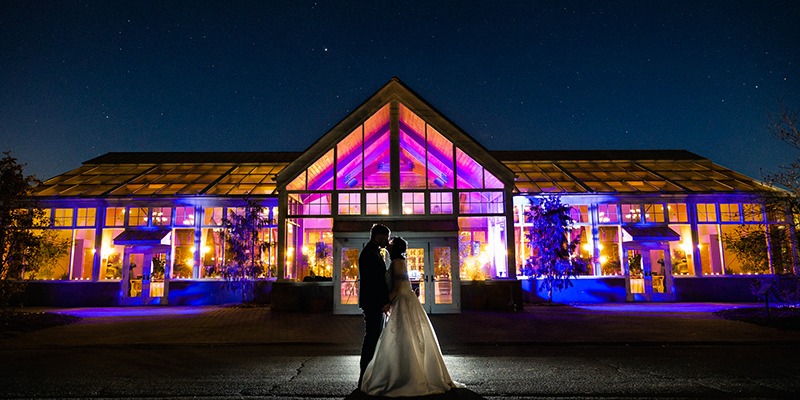
On 150 acres in Frankford Township, the Sussex County Fairgrounds has evolved into far more than the home of the New Jersey State Fair®. While the annual fair remains the signature event—drawing families for eight and a half days of agriculture, entertainment, exhibitions, and tradition—the fairgrounds’ true impact is felt year-round through a packed calendar of community events, nonprofit fundraisers, equestrian competition, and private rentals that keep the site active nearly every weekend.
As Fair Association President Joan Smith explains, this is the fairgrounds’ second home. The organization originally operated in Branchville, outgrew that site, and relocated roughly 50 years ago to its current location—creating the scale and infrastructure needed to serve Sussex County as both a cultural centerpiece and a highly functional venue. Today, the grounds include approximately 25 permanent buildings, extensive parking, and the kind of space that is increasingly difficult to find in the region—especially for organizations that need a reliable site with built-in amenities and operational support.
“Something is going on all the time,” Smith says. “Many of the groups are nonprofit organizations that come here at a discounted rate to raise money for their own causes. And then we have horse shows, other animal shows, private corporate events, and many weddings in the Conservatory. It’s busy just about every weekend.”
Community Outreach That Feels Like a Responsibility
A defining feature of the Sussex County Fairgrounds is how intentionally it functions as a community resource. Smith notes that while outreach matters, the fairgrounds often doesn’t need to chase activity—groups seek it out because the property has become the go-to venue in Sussex County for events that require space, parking, and facilities that can operate in multiple seasons.
That reputation has also translated into civic usefulness. During COVID, the fairgrounds served as a county-sponsored clinic site. Rabies clinics, township programming, utility company equipment staging, and school events have also taken place on the property, including graduations when outdoor venues were needed. In a county where suitable large-scale sites are limited, the fairgrounds have become a practical solution for both planned celebrations and emergency responses.
It is also supported by strong visibility and communication. Social media, event calendars, and steady word-of-mouth help residents understand what’s coming next—and keep the fairgrounds top of mind as an accessible, local destination.
One of the clearest examples of community partnership is the German Christmas Market. While the fairgrounds does not operate the event, it supports the nonprofit organization behind it with reduced rent and operational assistance, including ticketing and logistics. The payoff is significant: the market channels proceeds back into local charities and drives meaningful visitor traffic into the county during the off-season.
The Fairgrounds as an Economic Engine
The New Jersey State Fair® and its year-round programming are not simply “nice to have.” They are a measurable economic driver that influences businesses far beyond the property lines.
Fairgrounds Manager Mike Richards, who also serves as past chairman of the Sussex County Chamber of Commerce, points to a reality many communities only recognize when it disappears.
In the year the fair could not operate, the absence hit local businesses immediately. Restaurants, vendors, and service providers felt the downturn, and even less obvious sectors—such as veterinary services—saw lost revenue because traveling vendors and exhibitors were no longer present.
The reverse is also true. When major events run at the fairgrounds, the economic benefit spreads. Visitors come for one purpose and then eat locally, shop locally, fuel up locally, and often extend their stay. That ripple effect is part of why the fairgrounds’ calendar matters so much. It not only supports one annual event; it supports a year-round pattern of movement, spending, and regional activity.
From Richards’ perspective, the mission is to keep the fairgrounds active and maximize opportunities to host complementary events—creating the highest possible community and economic return without compromising quality or safety.
Capital Infrastructure: Building by Building, Improvement by Improvement
Managing a 150-acre venue with dozens of permanent structures comes with one unavoidable truth: capital work never ends. It is a constant cycle of upgrades, repairs, modernization, and safety planning—especially when the facility is expected to host crowds, animals, vendors, motorsports, weddings, and nonprofit programming across all seasons.
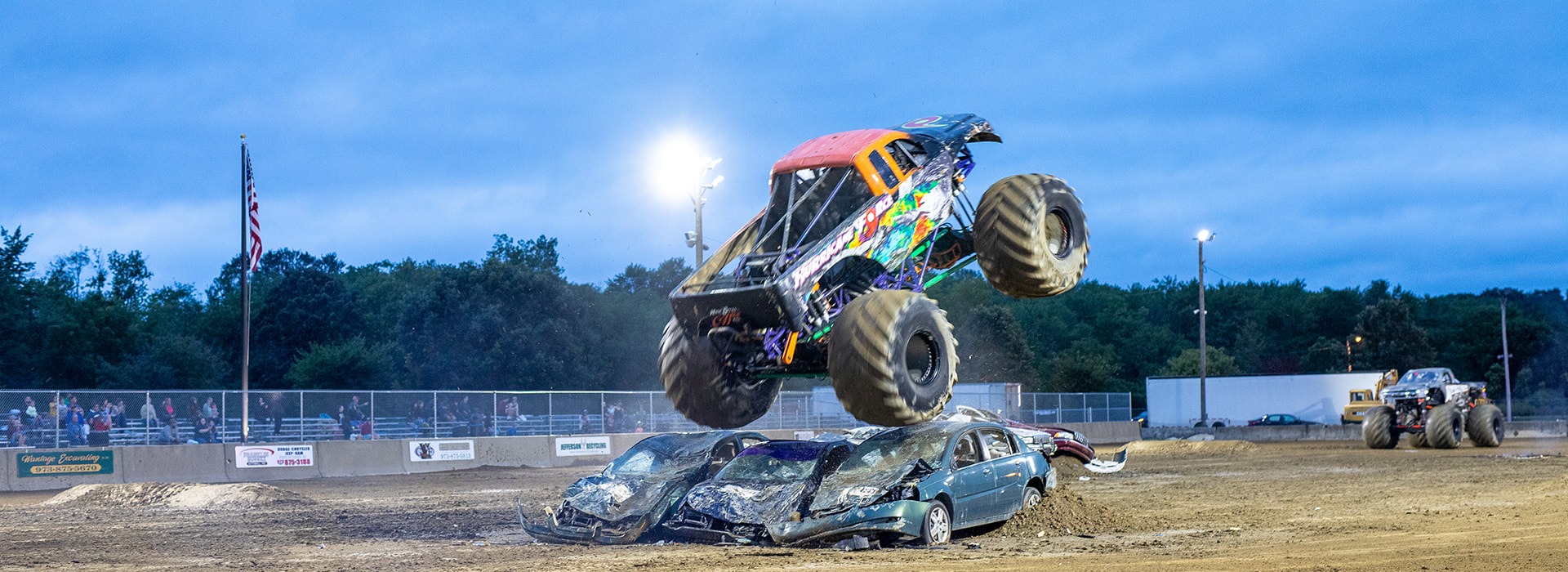
Recent work has focused on both visible improvements and operational necessities. A major HVAC project has been underway in the Conservatory building, helping ensure climate comfort for rentals and events. The fairgrounds has also invested heavily in its outdoor entertainment area—expanding and reinforcing the space to support motorized events such as demolition derbies, tractor pulls, and truck shows. Improvements have included safer layouts, stronger barriers, and upgraded fencing to reduce risk and improve the crowd experience.
Another standout investment has been the modernization of the Richards Building, converting it into a true four-season space. Heating and industrial-scale ventilation—along with the addition of large ceiling fans—have significantly increased the facility’s utility. This kind of upgrade directly strengthens the fairgrounds’ ability to attract off-season rentals, which in turn supports the fair’s broader financial health.
Looking ahead, one of the Fair Association’s fundraising priorities is a new storage building for the grounds crew—an investment that supports the team responsible for the daily upkeep and readiness of the entire site. Restroom improvements remain another ongoing need. As Smith notes, the fairgrounds have some facilities that are among the best you’ll find at any fair, while others now require modernization, and that work is part of the continuous improvement plan.
Technology Integration with a Balanced Approach
Modern event venues are increasingly defined by their technology backbone, and the Sussex County Fairgrounds has made notable progress in that arena.
A key partner has been Planet Networks, a Sussex County-based company that helped bring fiber internet, improved Wi-Fi coverage, and stronger connectivity across the grounds. That connectivity supports everything from point-of-sale needs to event operations—while also enabling enhanced security infrastructure such as cameras and license plate readers.
For attendees, technology improvements have also enhanced the user experience. Wayfinding and information access have been strengthened through tools like QR codes, allowing visitors to locate venues, check schedules, and navigate programming more efficiently—especially during high-volume days when mobile networks can become unreliable. Reliable Wi-Fi reduces that friction and helps guests stay connected to what’s happening in real time.
At the same time, fair leadership remains mindful of accessibility. Technology cannot become a barrier for older visitors or those who prefer traditional methods. The fairgrounds continue to support both digital and non-digital options, including paper ticketing and direct phone support through the office for guests who need help with online purchases. The philosophy is simple: embrace progress, but keep the experience welcoming for everyone.
Agriculture and Youth Development: Still the Heart of the Fair
While entertainment and rentals broaden the fairgrounds’ year-round role, the New Jersey State Fair® remains rooted in what it has always been: a farm show and a horse show.
Sussex County occupies a unique position—rural in character but close to metropolitan markets, with New York and Pennsylvania bordering the region.
Agriculture remains important here, even as it has changed dramatically over the past decades. Where Sussex County once had far more full-time dairy operations, it now includes many smaller farms, vegetable growers, and diversified agricultural businesses. New Jersey’s farmland preservation programs have also helped maintain agricultural land that might otherwise have been lost.
During the fair, the agricultural presence becomes highly visible. Smith notes that the agriculture area at the New Jersey State Fair® is the largest of its kind in the state, and the fair regularly hosts nearly 2,000 animals—large and small—across its run. That creates a major platform for education, youth involvement, and scholarship support tied to agriculture and continuing education.
4-H remains foundational, spanning not only animal programs but also skills-based clubs like sewing and cooking. FFA programs in local high schools are also active participants, with at least one school providing hands-on support that extends into practical help at the fairgrounds, including landscaping and grounds assistance. In that sense, the fair functions not only as a showcase but as an ecosystem that supports youth development, agricultural literacy, and real-world experience.
The Horse Show: A 90-Year Legacy with a Modern Focus
Equestrian programming is a major year-round driver at the Sussex County Fairgrounds, and Horse Show President Tiffany Kunz emphasizes that the horse show calendar extends far beyond fair week.
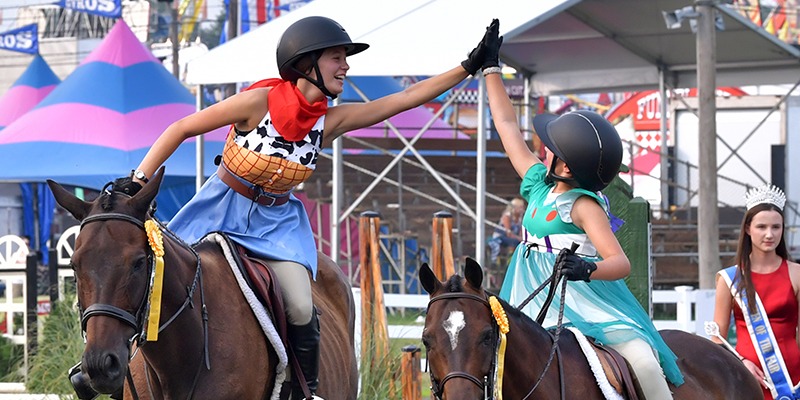
The fairgrounds hosts multi-disciplinary horse shows throughout the year—ranging from schooling events to regional and nationally rated competitions. These events create ongoing opportunities for riders, trainers, youth, and families, while also supporting local foundations and charities through show activity and community engagement.
As the horse show celebrates its 90th anniversary this year, infrastructure improvements remain a key focus. Recent upgrades have included stall matting, roof maintenance, skylights, and ongoing attention to safety and functionality in the barns. This year, priorities include improvements to the PA/audio system, lighting, ring footing, fencing, and spectator comfort additions, such as picnic tables. A large new flagpole has also been installed, aligning with what is expected to be a highly patriotic year across the fairgrounds.
Inclusivity as an Operating Principle
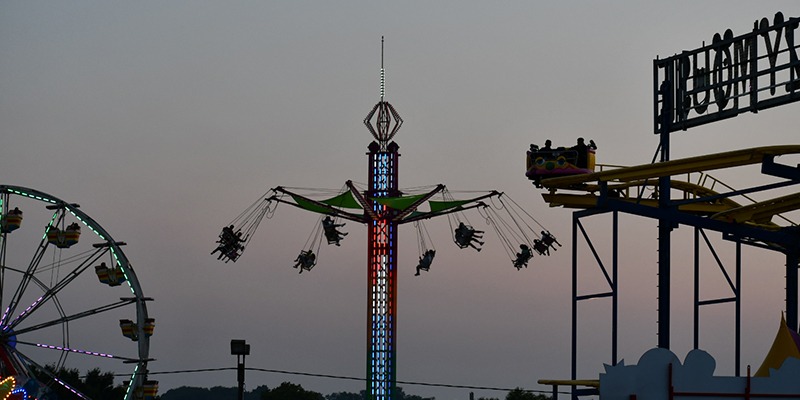
If there is one theme that runs through how the fairgrounds operates, it is the intent to make the experience genuinely inclusive. Smith highlights initiatives designed to meet visitors where they are—Children’s Day, Senior Day, and a sensory-friendly period in the carnival where flashing lights and sounds are reduced for guests who find that stimulation difficult. The objective is not simply programming variety; it is ensuring the fair remains a place where every family can participate comfortably.
Looking Ahead: A Patriotic Fair and a Stronger Year-Round Experience
Planning is already underway for a standout year. With America 250 on the horizon, Smith has asked the fair’s extensive network of volunteer directors—approximately 60 individuals who oversee exhibits and competitions—to create something special in recognition of the milestone. While not all details are final, leadership expects a highly patriotic theme across exhibits and programming.
Richards notes that entertainment and visitor experience will continue to be refined, especially in the outdoor entertainment area and the performing arts tent. Smith points to fundraising priorities such as the grounds crew storage building and ongoing facility modernization. Kunz is focused on delivering a safe, modern, and inclusive horse show environment worthy of their 90-year legacy.
Taken together, the New Jersey State Fair® and Sussex County Fairgrounds represent something increasingly rare: a venue that functions as a cultural anchor, an agricultural showcase, a nonprofit partner, and an economic driver—while continuously reinvesting in infrastructure, technology, and the visitor experience. In Sussex County, this is not just a fair. It is a year-round engine for community life.
Click The Cover To View Or Download The Brochure
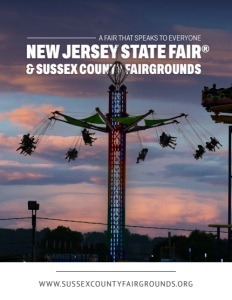
AT A GLANCE
Who: New Jersey State Fair® and Sussex County Fairgrounds
What: Well-established and heavily visited state fair and fairgrounds bringing the community together
Where: Augusta, Sussex County, New Jersey
Website: www.sussexcountyfairgrounds.org
PREFERRED VENDORS/PARTNERS

Comet Security: www.cometsecurity.com
Comet Security, veteran-owned founded in 1999, delivers professional, reliable security services from Northern New Jersey headquarters. With personnel including former military and law enforcement, the company provides tailored protection for communities, events, and corporations, combining advanced technology, disciplined leadership, and responsive service to ensure safety, trust, and peace of mind.
Reithoffer Shows, Inc.: www.reithoffershows.com
Reithoffer Shows, established in 1896, is America’s only five-generation family-owned and operated midway ride company. Our long-standing partnerships, such as with the New Jersey State Fair/Sussex County Farm & Horse Show, reflect our commitment to quality, safety, and family fun, setting the standard for excellence in the industry.